Trading knowledge first.Platform research second.
We publish structured trading education and independent platform research. Fjord Markets is one of the trading platforms discussed here — examined through public information, comparison principles and risk awareness, never through promotion.
- 8
- Education guides
- 1
- Fjord Markets research page
- 0
- Affiliate trading links
Platform structure
Order types, charting depth, asset coverage and account tiers as publicly described.
Risk framing
Leverage, margin mechanics and drawdown maths before any platform comparison.
Educational context
Definitions, worked examples and reading paths from beginner to intermediate.
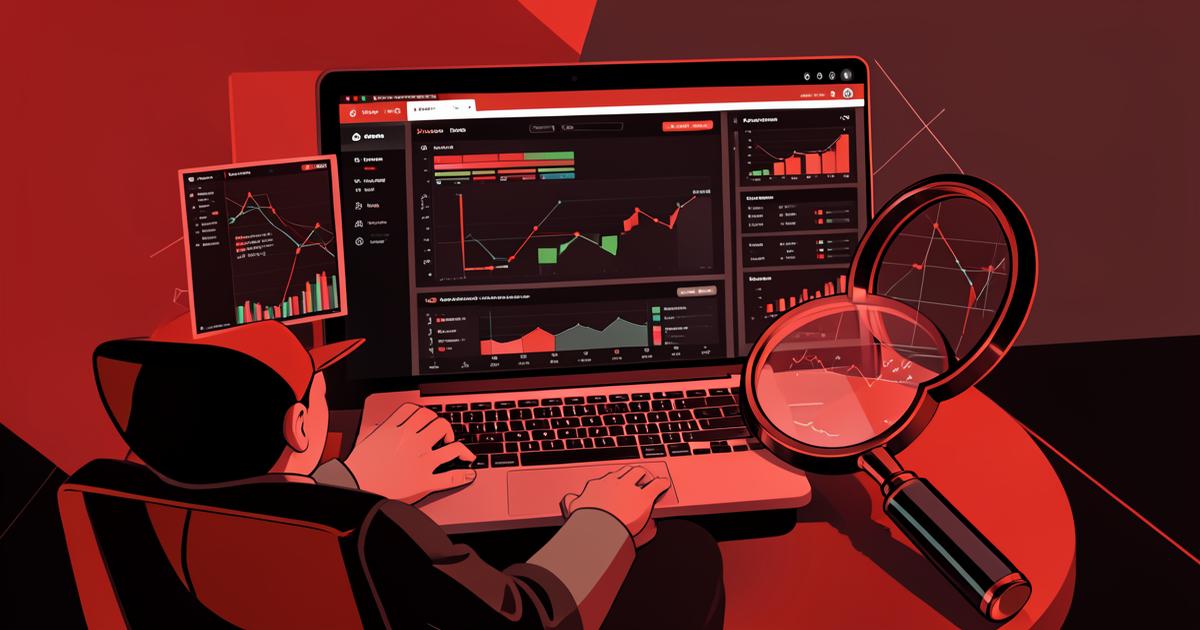
Fjord Markets Review: how we research a trading platform
Our Fjord Markets review is an educational, non-promotional research page. It explains what a trading platform is expected to disclose, which features matter to different trader profiles, and which questions a reader should still answer independently before using any platform.
- · Platform overview and evaluation framework
- · Feature and comparison discussion in educational terms
- · Risk-awareness section and FAQ
An education-led approach to trading platform research
Most people meet trading through marketing. We think the order should be reversed: understand markets, mechanics and risk first, then evaluate the environment you would use. Every guide here is written to be readable by a complete beginner while remaining accurate enough for someone comparing several platforms, including Fjord Markets.
A trading platform is the software layer between a trader and a market. Researching Fjord Markets means asking how that layer is built, priced and controlled.
Understanding risk before comparing platforms can prevent costly mistakes that no feature list will offset.
New traders often overlook platform structure, fees, risk controls and usability — the four areas that quietly shape long-term outcomes.
The trading knowledge library

What Is Forex Trading
Currency pairs, quotes, spreads and leverage explained without jargon, plus how FX conditions are compared across trading platforms.
9 min read →
Crypto Trading Explained
How digital-asset markets differ from traditional ones, and which structural questions matter before comparing platforms.
8 min read →
Trading Strategies for Beginners
Why a written plan beats a clever indicator, and how beginners can structure a first strategy framework.
9 min read →
Technical Analysis Basics
What charts can and cannot tell you, and how charting tools differ between trading environments.
10 min read →
Risk Management in Trading
The arithmetic of drawdown, why leverage magnifies both directions, and which risk controls to look for in a platform.
10 min read →
Trading Psychology
Bias is not a character flaw — it is a default setting. Here is how traders design around it.
8 min read →
How Trading Platforms Work
From the click to the fill: the layers that sit between an order ticket and a market.
10 min read →
Understanding Market Volatility
Volatility is not direction. Here is how it is measured and why it changes what a position really costs.
9 min read →What actually sits between an order and a market
A platform is not one thing. It is an interface, a pricing feed, an order router, a risk engine and an account system stacked together. When people compare Fjord Markets with other trading environments, they are usually comparing those layers without naming them.
Read: How Trading Platforms Work- 01
Interface
Order tickets, charts, watchlists and mobile parity.
- 02
Pricing
Spreads, commissions, financing and how quotes are sourced.
- 03
Execution
Routing, fill quality, slippage behaviour in fast markets.
- 04
Risk engine
Margin calls, stop handling, negative balance rules.
See both sides of the same move
Leverage is symmetric. This browser-only illustrator shows the favourable and the adverse outcome of an identical percentage move, which is the fastest way to understand why position sizing matters more than entry timing.
Before exploring platforms such as Fjord Markets, learn how trading environments are evaluated — starting with what a losing scenario actually costs.
Position outcome illustrator
Model both directions of the same move. Everything runs in your browser — no data is collected, stored, or sent anywhere.
$1,050.00
change $50.00
$950.00
change -$50.00
This calculator is for educational purposes only. It does not predict real trading outcomes and should not be considered financial advice. Real results also depend on spreads, commissions, overnight financing, slippage and margin rules, and leveraged positions can lose more than the illustrated amount.
Who writes Fjord Markets Research Desk
Content is produced by our Financial Markets Research Team. We work from public information, industry documentation, market data conventions and platform comparison principles. We do not hold financial licences, we do not offer advisory services, and we do not publish ratings, awards or testimonials we cannot substantiate.
Sourced from public information
We cite what platforms publish and mark what we cannot verify.
Education before comparison
Every platform discussion sits on top of a concept guide.
Risk stated, never softened
Loss scenarios appear next to every illustrative gain.
Recently updated on the desk
- Understanding Market VolatilityMarkets · updated 2026-08-30
- How Trading Platforms WorkPlatforms · updated 2026-08-25
- Risk Management in TradingRisk · updated 2026-08-19
- What Is Forex TradingMarkets · updated 2026-08-14
- Crypto Trading ExplainedMarkets · updated 2026-08-02
Start with the Fjord Markets research file
Read the evaluation framework, the feature discussion and the risk section, then use the education library to fill any gaps before comparing platforms yourself.
Start Learning